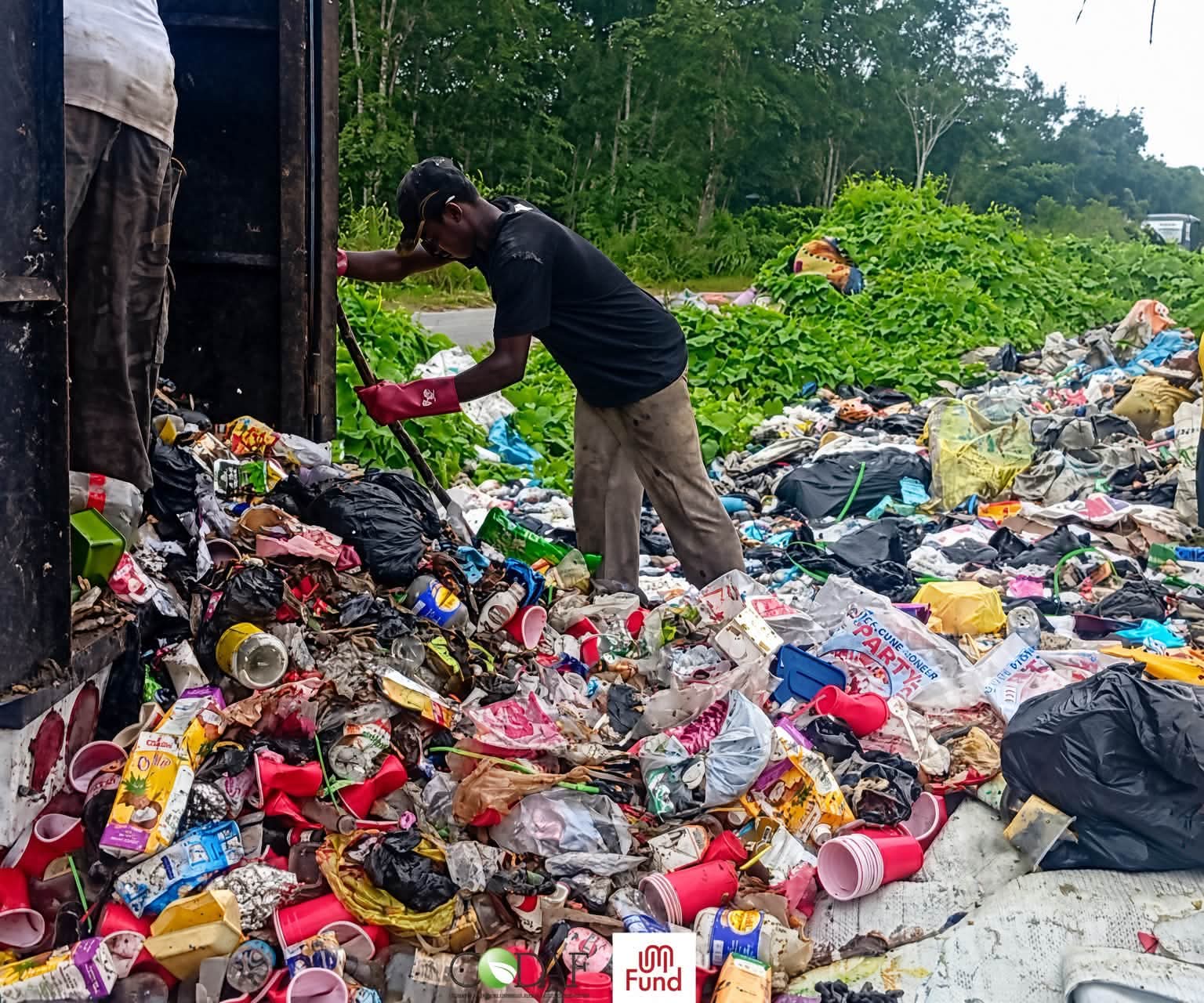
The Community Development Advocacy Foundation (CODAF) has commenced the implementation of a new community-led waste management initiative aimed at improving the working conditions, safety and livelihoods of informal waste pickers in Ughelli North Local Government Area of Delta State.
The initiative, tagged “Voices to Power: A Community-Led Zero Waste Model for Ughelli North,” kicked off with an engagement at the Isiokolo dumpsite in Ughelli, where CODAF officials met with waste pickers and other key stakeholders to understand the challenges confronting workers at the dumpsite.
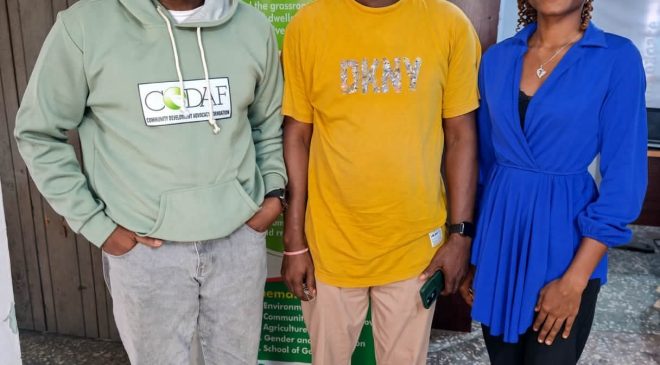
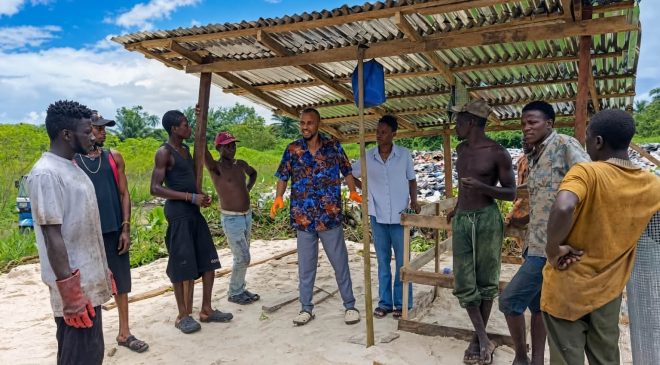
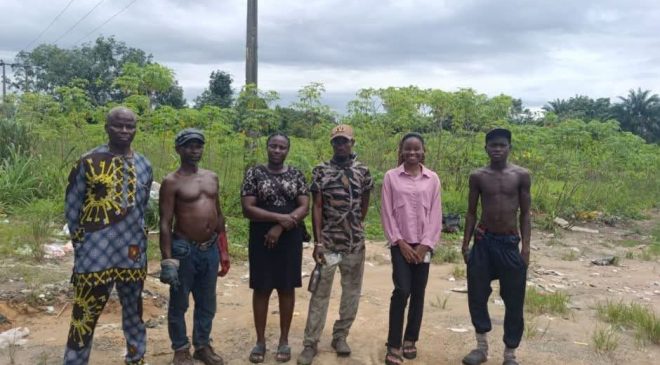
During the engagement, the organisation said it focused on listening to the experiences and concerns of waste pickers, while building relationships that would enable the workers to play a central role in shaping interventions designed to improve waste management in the area.
CODAF said the initiative was premised on the recognition that sustainable waste management could not be achieved through policies and programmes developed without the participation of people directly involved in the collection, sorting and recovery of discarded materials.
According to the organisation, waste pickers perform an important but often overlooked role in keeping communities clean and recovering materials that could otherwise end up in landfills and dumpsites.
It said the project would, over the coming months, seek to organise waste pickers and strengthen occupational health and safety practices, while exploring opportunities for improved income generation through organic waste composting and resource recovery.
The organisation also plans to amplify the voices of waste pickers in discussions around legal protection, social security and their formal inclusion in local sanitation and waste-management frameworks.
CODAF stressed that informal waste workers should not merely be regarded as beneficiaries of development programmes but as key stakeholders capable of contributing to decisions affecting their work and livelihoods.
The foundation said: “Sustainable progress in waste management always starts on the ground, listening directly to the people who keep our communities clean every single day.”
It explained that bringing waste pickers into the policy conversation would help ensure that interventions reflected the realities of workers who operate daily within the informal waste economy.
The initiative also seeks to promote a circular-economy approach at the grassroots by encouraging the recovery, reuse and recycling of materials, as well as the conversion of organic waste into useful compost.
CODAF said such approaches could create additional economic opportunities for waste pickers while reducing the volume of waste requiring disposal.
The organisation further linked environmental protection with social justice, arguing that efforts to build cleaner and more resilient communities must also address the welfare, dignity and economic security of informal workers.
It said empowering waste pickers to participate in decisions concerning sanitation and environmental management would contribute to a more inclusive waste-management system in Ughelli North.
CODAF said the project would continue through sustained engagement with the community, with the objective of developing practical solutions alongside waste pickers and other stakeholders.
The organisation expressed confidence that the initiative could provide a model for community-led approaches to waste management and circular economies in other parts of Delta State and beyond.
It added that the success of the project would depend on continued collaboration among waste workers, community stakeholders, environmental actors and relevant authorities.
CODAF said its goal was not simply to improve waste disposal but to support a system in which the people at the centre of the waste economy could help shape safer, more dignified and economically sustainable futures for themselves.
The foundation urged stakeholders to follow the initiative as it progresses, saying lasting change would require sustained community participation and a shared commitment to environmental and social justice.